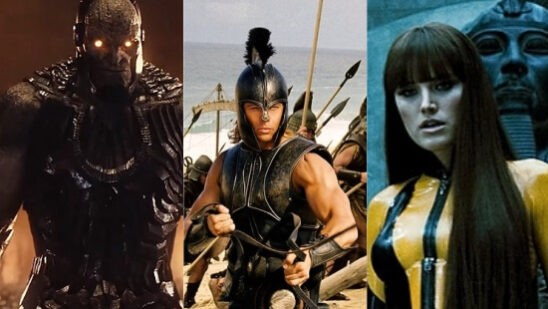
Some movies become noticeably better when the filmmaker gets another chance in the editing room. The best director’s cuts can restore missing character development, repair uneven pacing, clarify confusing plot points, or bring a compromised vision closer to what its director intended. From Blade Runner and Kingdom of Heaven to Zack Snyder’s Justice League, these are 15 director’s cuts that improve the movie. The list also includes a few extended editions and reconstructions that are not technically director’s cuts but achieve a similar result.
15. Daredevil: Director’s Cut (2004)
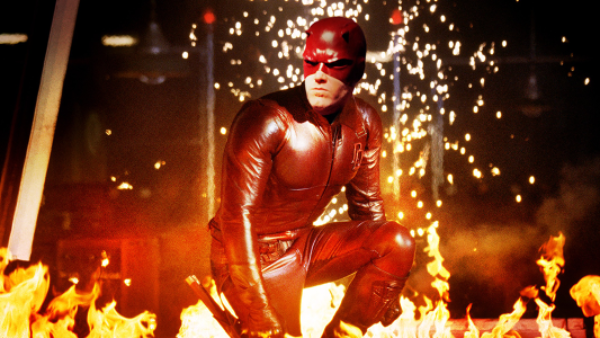
Ben Affleck’s portrayal of Daredevil received such harsh criticism that the actor later became hesitant to play another superhero. That changed when director Zack Snyder offered him the role of Batman. Although Affleck made a convincing Caped Crusader, his take on Daredevil seemed far less successful—at least in the 2003 theatrical cut.
The R-rated director’s cut, released in 2004, restores roughly 30 minutes of footage and makes the film feel darker and more complete. It gives Matt Murdock’s legal work and Catholic guilt more room to breathe, reduces the emphasis on his romance with Elektra Natchios, and restores a subplot involving Dante Jackson, a drug-addicted criminal played by rapper Coolio. The result is still imperfect, but it is more coherent and character-driven than the theatrical version.
14. Kingdom of Heaven: Director’s Cut (2005)
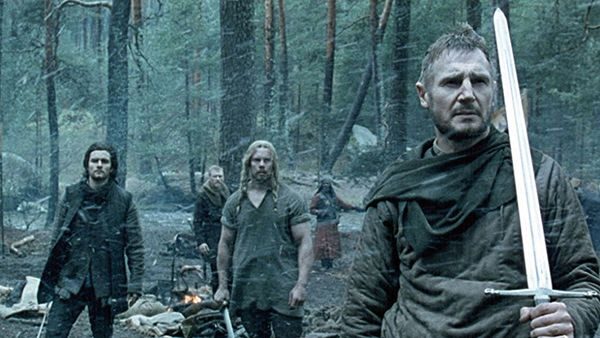
With masterpieces such as Gladiator and Alien already to his name, Ridley Scott appeared to be an ideal fit for the historical epic Kingdom of Heaven. The theatrical release, however, removed roughly 45 minutes from his longer cut, taking essential context and character motivation with it.
The director’s cut restores that material and turns a choppy historical action movie into a richer drama. Balian’s choices make more sense, Sibylla has a fuller and more tragic arc, and the political and religious conflicts gain much-needed depth. Few movies better demonstrate how a director’s cut can improve the story rather than simply make it longer.
13. Hellboy: Unrated Director’s Cut (2004)
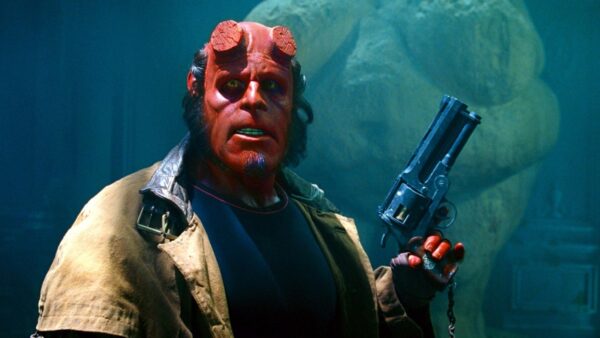
Director Guillermo del Toro’s gritty, imaginative take on the Dark Horse Comics character remains a fan favorite. His unrated director’s cut runs about 10 minutes longer than the theatrical version and focuses less on spectacle than on giving the characters more room to develop.
Notable changes include expanded material for the villains and additional scenes involving Liz Sherman and John Myers. The differences are not as dramatic as those in some other movies on this list, but the extra context strengthens the relationships at the heart of the story. Sometimes a few well-placed scenes are enough to create a better cut.
12. Troy: Director’s Cut (2007)
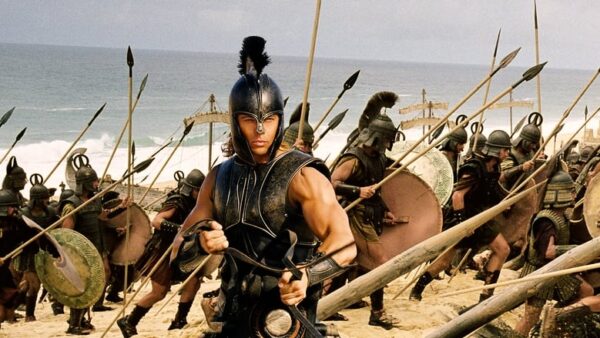
The 2004 theatrical version of Troy was already an impressive spectacle, but Warner Home Video reportedly spent more than $1 million to give director Wolfgang Petersen another pass at the film. Released in 2007, the director’s cut adds about 30 minutes and runs for roughly 196 minutes.
Many scenes are extended or re-edited, with the battle sequences becoming bloodier and more expansive while the quieter character moments receive additional weight. The love scenes are also more mature. Together, those changes make the scale and brutality of the Trojan War feel more convincing.
11. Close Encounters of the Third Kind: The Special Edition (1980)
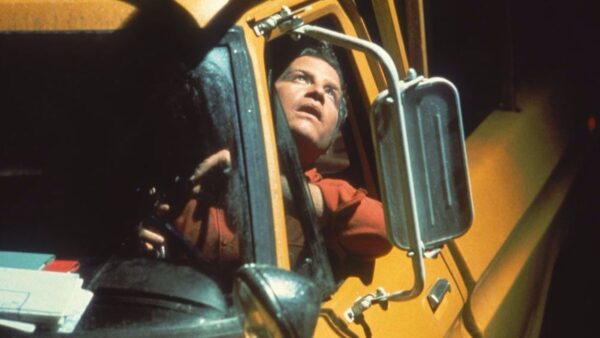
Close Encounters of the Third Kind was a box-office success and won two Academy Awards, but Steven Spielberg felt rushed while finishing the 1977 theatrical version. Its success allowed him to revisit the movie for a 1980 Special Edition.
Spielberg removed material from the theatrical cut and added new footage, including the famous look inside the alien mothership. That reveal remains divisive, and Spielberg later omitted it from his 1998 Collector’s Edition, generally regarded as his preferred director’s cut. Even so, the 1980 version improved portions of the setup and showed that an alternate cut can become tighter by replacing footage instead of merely adding more.
10. Watchmen: Director’s Cut (2009)
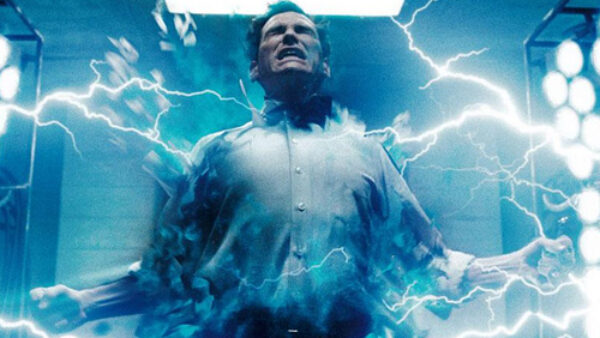
Fresh from the success of 300, Zack Snyder took on another graphic-novel adaptation. Watchmen divided comic-book fans and film critics, although its striking cinematography, dark themes, and action sequences earned plenty of praise.
Snyder’s director’s cut adds about 24 minutes, extending the movie to roughly three hours. The additional footage deepens several characters, improves transitions, and brings the film closer to the structure and detail of the original graphic novel. The later Ultimate Cut incorporates the animated Tales of the Black Freighter, but the director’s cut offers the stronger balance of added depth and watchable pacing.
9. Touch of Evil: Restored Cut (1998)
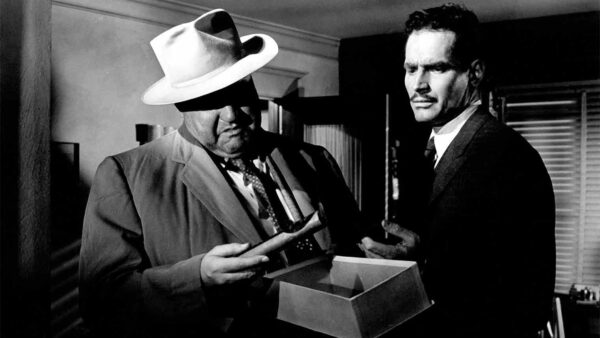
Creative differences between Universal-International and director Orson Welles led the studio to re-edit Touch of Evil and shoot additional material without him. After seeing the studio’s version, Welles wrote a detailed 58-page memo explaining the changes he believed the film needed.
Four decades later, editor Walter Murch used that memo to guide a 1998 reconstruction. Because Welles died in 1985 and did not supervise the work, the restored version is not technically a director’s cut. It is, however, the closest available presentation of his stated intentions, with revised editing and sound choices that make the noir classic more focused and dramatically satisfying.
8. The Godfather, Coda: The Death of Michael Corleone (2020)
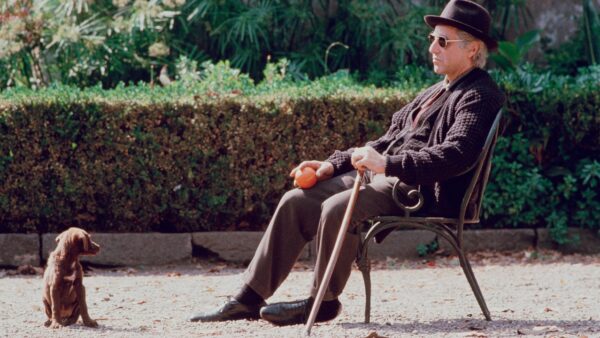
Francis Ford Coppola and Mario Puzo originally wanted to call the third installment in The Godfather series The Death of Michael Corleone. Released instead as The Godfather Part III, the movie received a mixed response from longtime fans and became the only film in the trilogy not to win an Academy Award.
For the original film’s 30th anniversary, Coppola released a new edit under the title The Godfather, Coda: The Death of Michael Corleone. The revision introduces a new beginning and ending, repositions scenes, and adjusts shots and music cues. It still does not reach the heights of the first two installments, but its tighter structure and clearer focus make it a meaningful improvement over the 1990 theatrical cut.
7. Batman v Superman: Ultimate Edition (2016)
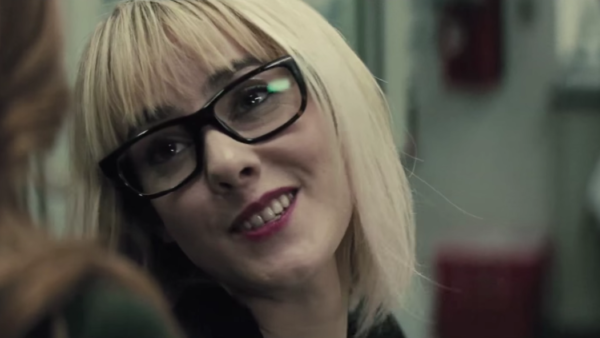
Batman v Superman: Dawn of Justice was one of the most anticipated movies of 2016, yet its theatrical release proved deeply divisive. Critics and audiences pointed to its uneven pacing, confusing character motivations, and crowded plot. Although it earned substantial worldwide box-office revenue, it fell short of the reception expected from the first live-action movie to unite two of the greatest superheroes of all time.
The R-rated Ultimate Edition adds about 30 minutes of footage and gives the story more room to connect its ideas. Clark Kent’s investigation is more substantial, the conspiracy against Superman is easier to follow, and several abrupt transitions finally make sense. It cannot fix every creative choice, but it is a more coherent and rewarding version of the film.
6. Superman II: The Richard Donner Cut (2006)
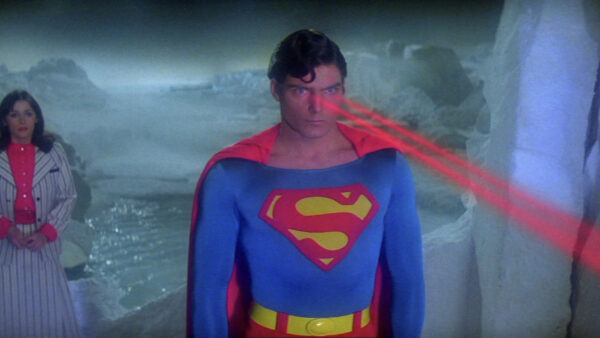
Director Richard Donner had completed much of Superman II when his strained relationship with producers Alexander and Ilya Salkind led to his dismissal. Replacement director Richard Lester reshot large portions of the movie and emphasized comedy in ways that did not always match the earnest tone of Donner’s original Superman.
The Richard Donner Cut reconstructs the sequel with Donner’s footage, restores Marlon Brando as Jor-El, and gives Clark Kent’s decision to sacrifice his powers greater emotional weight. Because Donner never completed principal photography, the 2006 cut sometimes relies on screen-test footage and material shot by Lester. Despite those limitations, it feels more connected to the first film and offers a more satisfying version of Superman’s character arc.
5. Blade Runner: The Final Cut (2007)
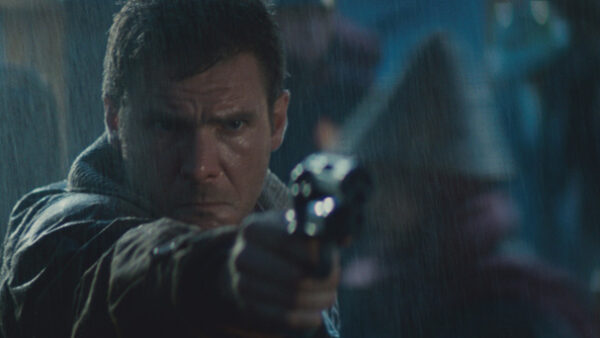
The neo-noir science-fiction movie Blade Runner was ahead of its time, but Warner Bros. worried that its dark tone and ambiguous ending would alienate audiences. The theatrical release added explanatory narration from Harrison Ford and replaced the uncertain ending with a more conventional escape for Rick Deckard and Rachael.
Several alternate versions followed, including a 1992 Director’s Cut. Ridley Scott finally had full artistic control over Blade Runner: The Final Cut in 2007. It removes the voice-over and happy ending, restores key imagery, corrects visual inconsistencies, and preserves the question of whether Deckard is a replicant. For many viewers, it is the definitive version of the film.
4. Zack Snyder’s Justice League (2021)
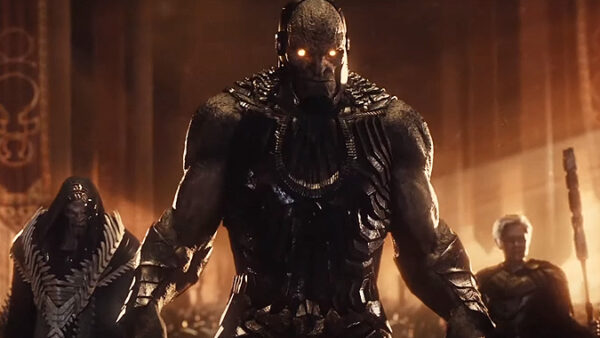
After the troubled 2017 theatrical release of Justice League, fans launched a years-long campaign asking Warner Bros. to release Zack Snyder’s version. The four-hour Zack Snyder’s Justice League finally arrived in 2021 and presented a substantially different edit, tone, score, and visual style.
Most of the movie draws on footage Snyder shot during the original production, with only a small amount of additional photography created for the new release. The longer running time gives Cyborg, the Flash, Steppenwolf, and the rest of the team clearer motivations and more complete arcs. New epilogue material also brings Jared Leto’s Joker into Snyder’s story. Four hours is a major commitment, but the narrative is far more cohesive than the theatrical cut.
3. Apocalypse Now Redux (2001)
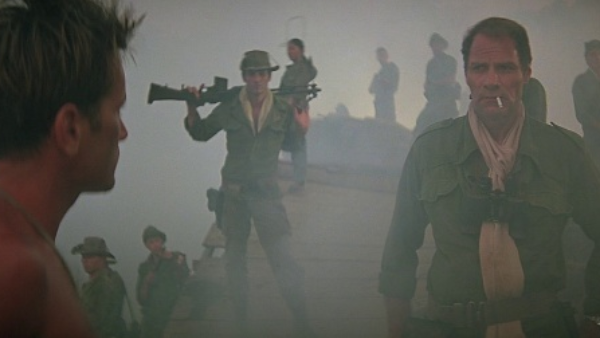
Set during the Vietnam War, Apocalypse Now is widely considered Francis Ford Coppola’s greatest film outside the first two Godfather installments. The theatrical version is already a masterpiece, but Apocalypse Now Redux adds 49 minutes that make the journey upriver feel even stranger and more episodic.
The restored material includes the French plantation sequence, another encounter with the Playboy Playmates, and a scene in which Colonel Kurtz reads a Time magazine article while surrounded by Cambodian children. The additions deliberately slow the pace, so this is a matter of taste. Coppola later created the shorter Apocalypse Now: Final Cut as his preferred version, but viewers who favor the film’s most immersive and unsettling form may still prefer Redux.
2. The Lord of the Rings: The Return of the King — Extended Edition (2004)
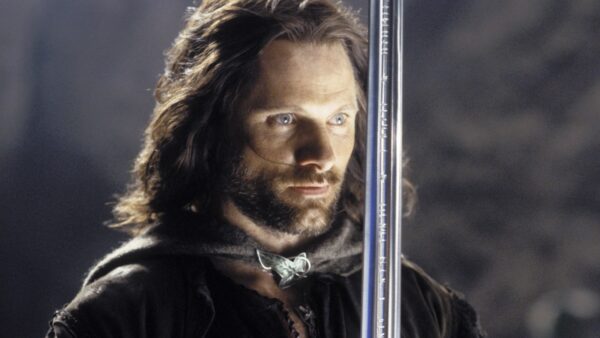
The theatrical version of The Lord of the Rings: The Return of the King earned universal acclaim and won all 11 Academy Awards for which it was nominated. Peter Jackson considers the theatrical editions definitive, so the longer home-video release is an extended edition rather than a traditional director’s cut.
Even so, many fans prefer this 251-minute version because it restores major characters and resolutions. The Mouth of Sauron appears at the Black Gate, Gríma Wormtongue’s fate is revealed, and Christopher Lee returns as Saruman for the fallen wizard’s final confrontation. The theatrical cut has tighter pacing, but the extended edition offers a fuller farewell to Middle-earth.
1. Once Upon a Time in America: 229-Minute Cut (1984)
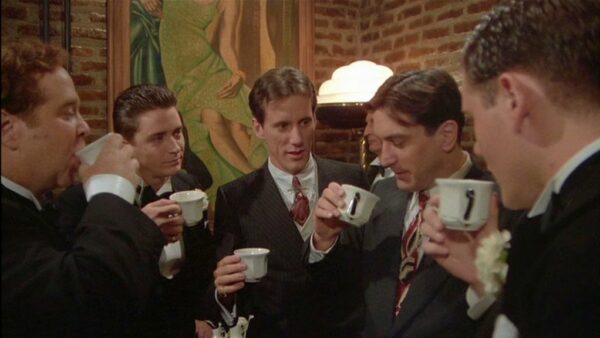
Few filmmakers had a record like Sergio Leone, but the American theatrical release of his final movie, Once Upon a Time in America, nearly damaged that reputation. Leone spent years developing the epic and reportedly declined an opportunity to direct The Godfather so he could pursue it.
Leone considered presenting the story as two three-hour films before reducing it to a 229-minute version for its European release. For the U.S. market, the distributor cut it to approximately 139 minutes without his approval and rearranged its intricate flashback structure into chronological order. The shorter version earned poor reviews and only a fraction of its production budget at the box office.
The 229-minute cut restores the nonlinear storytelling, character development, and melancholy rhythm that make Once Upon a Time in America a landmark crime film. A still-longer restoration premiered in 2012, but the 229-minute version remains the clearest demonstration of how radically editing can change a movie.
Honorable Mentions
- Waterworld: The Ulysses Cut
- The Wild Bunch: The Original Director’s Cut
- Doctor Sleep: Director’s Cut
Director’s Cut vs. Theatrical Cut: What Is the Difference?
A theatrical cut is the version prepared for a movie’s original cinema release, often with input from the studio, producers, test audiences, and exhibitors. A director’s cut is an alternate edit intended to more closely represent the filmmaker’s preferred version. It may restore deleted scenes, change the sequence of events, alter music or visual effects, or remove material added by the studio.
Longer does not automatically mean better. The strongest director’s cuts improve pacing, character motivation, or narrative clarity. An extended edition simply adds material and may not be the director’s preferred version, while a reconstruction—such as the 1998 Touch of Evil—is assembled by others using evidence of the director’s intentions.
Frequently Asked Questions
Are director’s cuts always better than theatrical cuts?
No. Extra footage can deepen a story, but it can also slow the pace. A director’s cut is best judged by whether its changes strengthen the movie, not simply by how many minutes it adds.
Which director’s cut changes its movie the most?
Zack Snyder’s Justice League, Superman II: The Richard Donner Cut, and the longer cuts of Once Upon a Time in America are among the most dramatically different. Each changes major story, character, or structural elements rather than restoring only a few isolated scenes.
What is the best director’s cut to watch first?
Blade Runner: The Final Cut is an accessible starting point because it removes the studio-imposed narration and ending while preserving a manageable running time. For the biggest improvement in story and character development, try Kingdom of Heaven: Director’s Cut.
Which director’s cuts that improve the movie would you add to this list? Share your favorites in the comments below.
