Throughout the last couple of decades, with print media and digital media becoming both more accessible and more usable for marketing techniques, we’ve seen a rise in companies embracing the popularity of these techniques for their own benefit. Some companies have notoriously released hugely controversial campaigns, the aim of which is nothing more than to gain publicity and to get their brand name on everyone’s lips. Understandably, companies want to make a name for themselves, especially as there is so much competition. Maybe being controversial works for some businesses, but unfortunately, it might not be for everyone. Some people are willing to take risks. Some brands, however, are controversial for different reasons, meaning that some brands and companies offer services that are controversial themselves. Here we’ll run through controversial brands and the stories behind them:
FCUK

This clothing brand has a controversial label for no other reason than its name. When the company rebranded itself as FCUK, they claimed the name was short for “French Connection UK” – however, the complaints came when the brand started releasing printed shirts and jumpers with slogans such as “FCUK me” and “Hot as FCUK”.
Parents weren’t keen on their underage children purchasing such items, and so the complaints flooded in. The slogans weren’t removed, though, and the name FCUK still stands today.
Benetton

Another clothing brand here, this time made controversial because of its marketing and advertising campaigns. The brand has become so synonymous with controversial advertising that media students have even examined their techniques.
Campaigns include billboards with human hearts, the moment of death as an aids patient dies, birth, conception, mixed-race children (with extreme and volatile stereotyping), and religious situations that would be considered “sinful”. It seems there is no person left unoffended by their advertisements – which is perhaps what has made them so iconic.

Another controversial brand – this online social networking website has come under more scrutiny than its competition because of its online privacy policies.
Many users feel that Facebook shouldn’t use user data for political manipulation, shouldn’t extensively track user behavior for advertisement targeting, and want more control over how their information is used. Facebook says users retain ownership of their photos while granting the company a license to use them. Many feel like the privacy policy is too loose and needs to be tightened greatly for the protection of users.
American Apparel

This clothing and lifestyle brand became notorious in advertising for its risqué use of models and positioning of clothing. Some of its ads were banned by the UK’s advertising watchdog.
Gildan bought the American Apparel brand in 2017 after its owner filed for bankruptcy.
News International (News of the World)

The News International brand became well known for the phone hacking scandal and the methods used to obtain stories.
The controversy didn’t work in their favor, though; the company let go of some of its senior reporters and directors, paid substantial compensation, and closed one of its biggest selling publications in 2011.
The fallout continued for years. In 2025, News Group Newspapers apologized to Prince Harry for phone hacking and other unlawful intrusion linked to the News of the World.
Sisley Fashion

This Benetton Group fashion brand came under huge controversy after an image circulated online that appeared to glamorize drug use. The photograph showed two young models “snorting” a white dress that had been laid out to look like cocaine. The image carried the words “Fashioin Junkie”.
The image drew criticism online, but Benetton said in 2007 that neither Sisley nor Benetton had anything to do with it.
BP
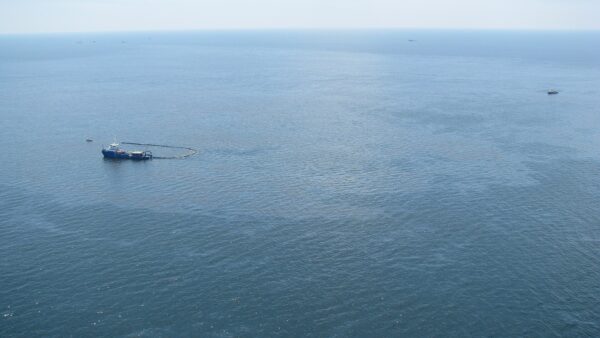
The Deepwater Horizon catastrophe placed BP at the heart of one of the worst oil spills in US history. In April 2010, an explosion on a rig that was drilling a well for BP took the lives of 11 workers. For months, oil flowed into the Gulf of Mexico, harming wildlife and the livelihoods of coastal communities.
BP eventually agreed to a multibillion-dollar settlement with the US government and five Gulf states. For those who saw the slick spread, the company’s green image grew difficult to reconcile with the damage.
Volkswagen
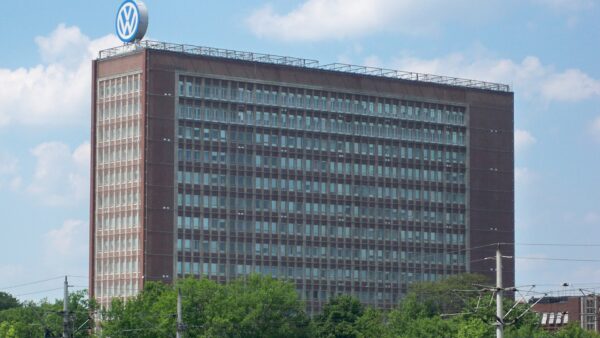
Image: wikimedia.org
Volkswagen had marketed its diesel vehicles as a more environmentally friendly option. Then, in 2015, US regulators disclosed that some models were equipped with software that activated emissions controls during testing and scaled them back under normal driving conditions. While being driven, these cars were capable of emitting much higher levels of nitrogen oxides than the limits permitted.
The fallout brought buybacks, settlements, and a guilty plea from the company. For drivers, it was a harsh lesson in how a car can act differently during a test.
Nestlé
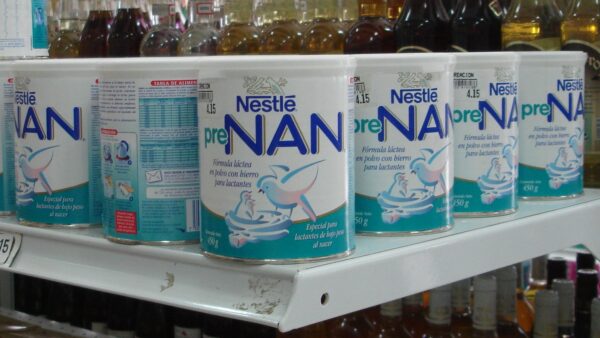
Image: Neil Rickards
Nestlé boycotts began in 1977, when protestors accused the firm of aggressively advertising baby formula in developing nations. They suggested that marketing may hinder breastfeeding in areas where clean water and safe preparation were difficult to ensure.
Formula can be important for many families, but the boycott was motivated by severe safety concerns. In 1981, the World Health Assembly established an international code for selling breast milk substitutes. Campaigners and Nestlé have continued to argue about the company’s tactics.
Nike
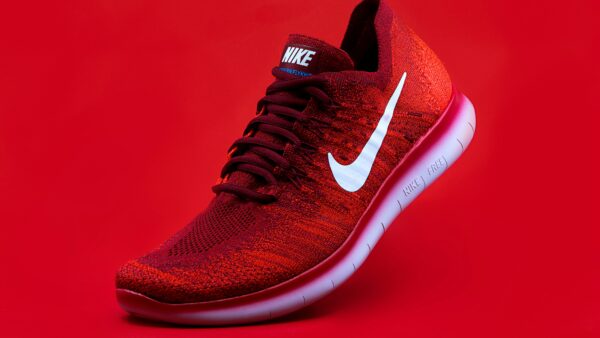
During the 1990s, Nike came under fire from protesters angry about the conditions in the factories where its shoes and clothing were produced. According to critics, some supplier factories, including ones in Vietnam and Indonesia, paid workers poorly, made them work long hours, and subjected them to abuse. All at once, the iconic swoosh also became a symbol of the people who actually made the products.
In 1998, Nike unveiled a set of changes, among them raising the minimum age for factory workers and broadening its monitoring efforts. The protests also pushed brands to accept responsibility for the conditions inside their suppliers’ factories.
Pepsi
In a 2017 Pepsi ad, Kendall Jenner walks away from a photo shoot, joins a protest, and gives a can of soda to a police officer. The crowd erupts in cheers. Many viewers at home, however, were far from impressed.
Selling a soft drink as the answer to tension at a march turned out to be a pretty dubious notion.
Uber
In 2017, Susan Fowler, who had previously worked as an engineer at Uber, made public a detailed account of the sexual harassment she said she had experienced, as well as how the company responded when she reported it. Her account prompted an independent investigation into Uber’s workplace culture and resulted in a set of recommended reforms.
That same June, as the company weathered wider turmoil, Uber cofounder Travis Kalanick resigned from his role as chief executive. What unfolded made plain how much can go wrong behind an app that millions of people depend on for a simple ride.
Wells Fargo
The majority of customers assume their bank will check with them first before it opens an account under their name. In 2016, US regulators reported that Wells Fargo staff had opened deposit and credit card accounts without customers’ consent, pushed by sales goals and bonuses. As a consequence, some customers ended up paying fees.
The Consumer Financial Protection Bureau imposed a $100 million fine on the bank and mandated that customers be refunded. It proved a costly lesson about what can go wrong when sales targets take priority over the people a business is meant to serve.
Purdue Pharma
Purdue Pharma, which produces OxyContin, grew into one of the most recognizable companies associated with the US opioid crisis. Back in 2007, an affiliate of Purdue admitted guilt to misbranding the drug, having falsely promoted it as being less addictive than other pain medications.
In 2020, Purdue Pharma entered a guilty plea for additional fraud and kickback conspiracies. According to the US Justice Department, the company had paid physicians to boost prescriptions and had supplied drug regulators with misleading information.
Marlboro
Marlboro’s cowboy commercials promoted a vision of freedom, even as tobacco companies found it increasingly difficult to deny the risks of smoking. In 2006, a federal court in the United States ruled that Philip Morris USA and other cigarette manufacturers had misled the public about smoking, addiction, and the claimed safety of light cigarettes.
The court mandated corrective statements, which started to appear in newspapers and on television in 2017. Those statements amounted to a cigarette advertisement of a very different sort.
So what do you think? Does a brand being controversial put you off investing in their products? Would you be put off a brand because they’re involved in controversy or being reported about in the news? Many of the brands above have embraced their status as controversial – but some would do anything to take back the controversy. Did we miss any noteworthy controversial brands in the world? Let us know in the comments below!