
Crime is a serious concern for many citizens and tourists, particularly in large cities. Due to the media and television shows related to criminal activity, most people assume that the most common types of crimes are violent acts. In reality, many of the crimes reported to police in the US are non-violent property offenses. Described here are the most common types of crimes in the US:
Drug Abuse

Drug law violations are a common reason for arrest. In the FBI’s 2025 estimates, drug abuse violations led the individual arrest categories.
Drug law violations can involve possession, sale, or manufacture of controlled substances. The FBI estimated 845,031 arrests for drug abuse violations in 2025.
While drug law violations are common, they don’t always stand alone. In some cases, they occur alongside violent crime, traffic crime, or property crime.
Intoxicated Driving
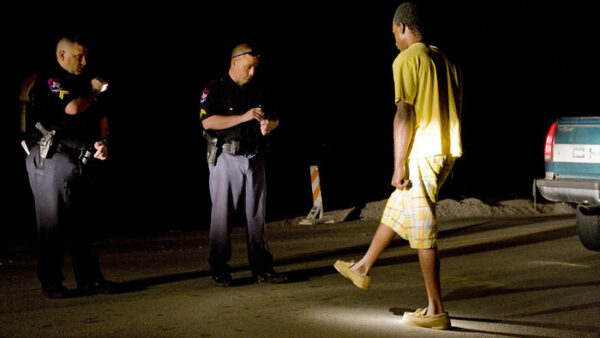
Driving under the influence of alcohol or other substances is another common criminal offense that results in arrests. The FBI estimated 798,563 arrests for driving under the influence in 2025.
Alcohol and drug-related crimes will often end up going hand in hand with traffic violations because the criminals are often caught as a result of driving. The DUI or DWI charge is particularly common in areas with higher rates of drug-related violations and criminal activities.
Driving while under the influence of drugs or alcohol is classified differently based on the state and local area. In some areas, it is considered a violent crime or a felony, while in other locations it will be considered the first offense a misdemeanor.
Larceny

Larceny, or the theft of property, is among the most common crimes in the country. It is primarily associated with property crimes, but it can also include the theft of belongings in locations outside the home.
Larceny accounted for 74.5 percent of the property crimes in the FBI’s 2025 national estimates. While the theft of personal belongings from a property is common, it is not the only type of property crime that occurs throughout America.
Aggravated Assault

Violent crimes are less common than property crimes in the FBI’s main crime estimates, but they still occur with regularity. Aggravated assault is the most common of the four offenses in the FBI’s violent crime estimates. It can involve a dangerous weapon, serious injury, or a risk of serious injury.
Aggravated assault is not always an intentional attack. Under some state laws, causing serious injury through extreme recklessness can also qualify as aggravated assault.
Disorderly Conduct

Disorderly conduct is not usually considered a violent crime. In most cases, it is a crime against society due to grossly inappropriate behavior. Disorderly conduct might include public intoxication, disturbing the peace, or similar activities.
Disorderly conduct is usually a minor crime because it doesn’t usually put others at risk. In cases of drunkenness or other potentially dangerous activities, it might result in more severe criminal charges.
Shoplifting

Shoplifting is a type of larceny in which an item is taken from a retailer without payment. It might be anything from a snack tucked into a pocket to items hidden in a bag. The charge and penalty are determined by the facts and the applicable state laws.
In 2025, shoplifting accounted for 30.2% of larceny thefts, according to FBI data. It falls under the larceny category above; hence, the two values should not be combined.
Motor Vehicle Theft

Motor vehicle theft is when someone takes a vehicle that belongs to another person without their permission. Cars are the most common example, but trucks and motorcycles can also be stolen. If someone takes a car for a joyride, it can still count as theft, even if they plan to leave it behind later.
The FBI estimated that 673,466 motor vehicle thefts happened across the country in 2025. Taking a phone from a parked car is a separate offense: the item was stolen, but the vehicle was not.
Burglary

Burglary is defined as unlawfully entering a building or another structure to carry out a theft or crime. It might happen at home, a store, or a storage facility. A burglar doesn’t have to destroy a window; passing through an unlocked door might equally qualify.
The FBI estimated 661,800 burglaries in 2025. A crime of theft doesn’t have to be carried out for an unlawful entry with the required intent to count as burglary.
Simple Assault

An unlawful attack that results in no serious injury and involves no dangerous weapon can qualify as simple assault. Depending on the law and the circumstances, a shove or a punch that leaves a bruise might be placed in this category. “Simple” refers to the charge itself, not to how the person on the receiving end feels about it.
Among people age 12 or older, the Bureau of Justice Statistics estimated 5.3 million simple assault victimizations in 2025. This figure is preliminary, and it comes from a survey that also captures incidents never reported to police.
Vandalism

Vandalism means intentionally damaging or defacing property that belongs to another person. Examples include slashed tires, damaged signs, and graffiti applied to property without permission. The impact can fall on a business, a public park, or the car parked outside your home.
In its preliminary 2025 survey, the Bureau of Justice Statistics estimated roughly 1.2 million household vandalism victimizations. That survey measure counts household victims; it is not a tally of every act of property damage.
Fraud

Fraud depends on deception in order to obtain money, property, or information. A person might pretend to be a bank employee and convince a victim to transfer funds, or install a card skimmer on a payment machine to capture account details.
In 2025, law enforcement agencies reported 905,038 fraud offenses to the FBI. These figures come from agencies that participate in reporting rather than a tally of every scam, and the FBI counts identity theft within its fraud category.
Identity Theft

Identity theft occurs when a person uses someone else’s identifying information without authorization with a criminal intent. A thief may open a credit card under another person’s name or exploit stolen details to file for a tax refund.
In 2025, the Consumer Sentinel Network of the Federal Trade Commission logged close to 1.4 million reports of identity theft. These reports are counted separately from police records and therefore shouldn’t be combined with the FBI fraud total.
Robbery

Robbery is the act of stealing from someone either by using force or threatening to use force. Taking a wallet off a table when no one is watching is theft; forcing the owner to hand over that wallet at knifepoint is robbery. This distinction is important because robbery involves a direct threat to a person.
In 2025, the FBI estimated that 168,927 robberies occurred nationwide. An incident doesn’t need to involve a weapon to be classified as robbery.
Criminal Trespassing

Criminal trespassing may involve entering a property or remaining on it when you have no legal right or permission to do so. Someone who won’t leave after being asked to go could be charged, depending on the situation and the local law.
It isn’t the same as burglary, since trespassing doesn’t require entering with the intent to steal or commit a felony. State laws also vary regarding what notice or knowledge a criminal charge requires.
Weapons Law Violations

Violations of weapons law may involve possessing, selling, or using a firearm or another weapon unlawfully. The specifics are important: conduct that is lawful in one state might be banned in another, and certain limits hinge on who is in possession of the weapon.
A violation can happen even if the weapon is never fired. In some situations, a weapons charge may come alongside a separate offense.
Many of the most common crimes in the United States are non-violent. Common offenses include theft, drug law violations, and disorderly conduct. While violent crimes are most often reported in the media, they are less common than most individuals assume. The most common violent crime is assault, though it is not always a potentially deadly situation.
Title Image Courtesy: Jim Kuhn via Wikimedia Commons